This website aims to educate you on the wildlife in the area, the classifications in place as well as any other information that is necessary during your visit. Here’s what you will find:
The Fauna
There is a lot to discover in the Lakeland region, owing to the large variety of wildlife. Animals find this area suitable for habitation as there are numerous lakes and forests which enable them to create an efficient ecosystem. The varied topography also helps as the animals can choose which conditions suit them best. You will come across animals that are native to other parts of the world as well as those that you could easily find in England. Take the red squirrel for example. It is native to Britain and has made a home for itself in the region. As such, you will find many of its kind in the national park and the surrounding areas. Lakeland boasts of the most significant population of red squirrels as compared to any other state in the UK.
The birds too are in plenty. Have you heard of the golden eagles? Most people in England can only state that they have heard of the birds or seen their pictures, but few people have been able to catch a glimpse of these rare species. A visit to Lakeland will afford you the opportunity to view these magnificent creatures. Unfortunately, the female golden eagle was last seen in 2004. Luckily for you, the male golden eagle is in Lakeland. Conservationists are of the view that he is the only resident golden eagle in England at present. How great would it be to lay your eyes on him?
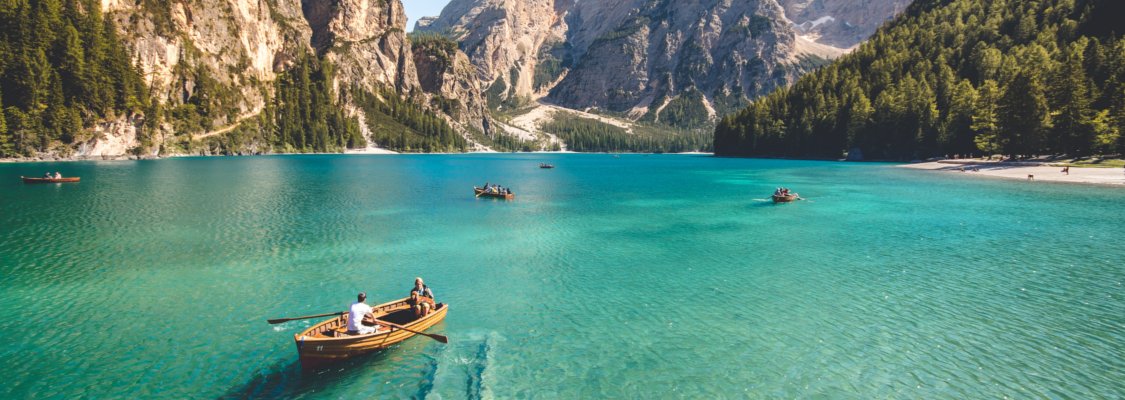
The region
There are others, such as the birds, which live freely among people, so you will be sure to see lots of animals during your stay.
While some come to the area due to the work of great poets in the area, most come to enjoy the ranges, forests and lakes as well as the wildlife in the region. Most animals in the region live in protected zones such as the national park from where you can view them.
Lakeland lies in the county of Cumbria, and it comprises the land within the national park as well as that surrounding the Scafell Pike. Other notable physical features in the area include Wast Water and Windermere which are some of the deepest and largest natural lakes in England, respectively.
There have been re-colonisation attempts, and these efforts have seen many changes take place in the region. Take the ospreys for example. It was not until 2001 that a pair of these species nested in Lakeland. It was the first time that they had done so in over one and a half centuries and it was thus a milestone for the conservationists. At present, ospreys migrate to Lakeland in the spring to nest, and their number keeps growing by the day.
Another species whose population growth resulted from re-colonisation attempts is the red kite. Their population is now in the tens and conservationists hope to bring the number up in the region as their presence in the past was quite minimal. Other than these fascinating species, you will also get to see the Ravens, dippers, buzzards and the peregrines. Some birds often migrate, with examples being the redstart and the ring ouzel. However, if you time your visit during the seasons that they are around, you will be sure to see them. Bird-watching is an incredibly exciting activity in the Lakeland region as there is always something amazing to see.
Other than rare bird species, Lakeland is also home to some endangered fish species. For one, there is the Vendace which faces a threat owing to naturally occurring algae as well as warmer waters. These fish have been moving to lakes in higher parts of the region in a bid to deal with the risks facing their existence. You will also get to see the Schelly and the Arctic Charr during your stay. There have been many bylaws introduced in the region as a way to conserve the rare species. Be sure to read up on the existing fishing laws before casting your net into the water to ensure that your practices are in line with those stipulated by the authorities.


